What Is an Excavator? Types, Uses & 7 Major Excavator Brands
9 Lectura mínima
&w=3840&q=75)

mayo 30, 2023
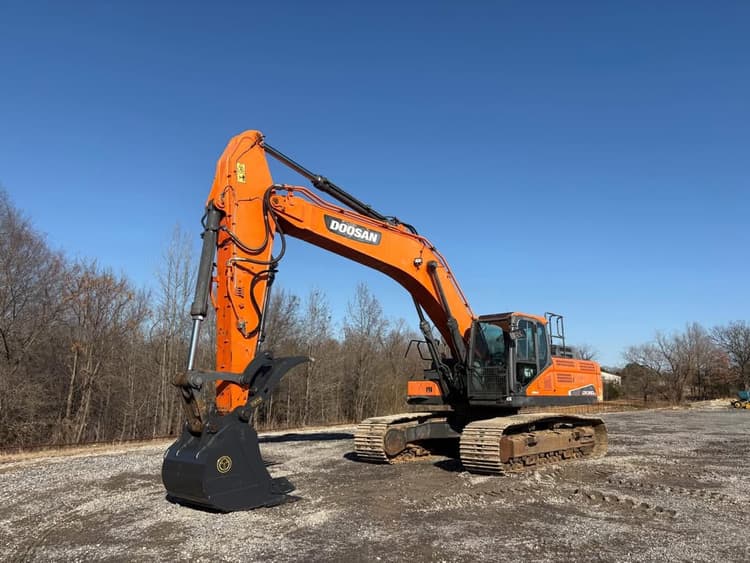
An excavator is a heavy construction machine designed primarily for digging, trenching, lifting, demolition, material handling, and earthmoving. Most excavators consist of a cab and rotating upper structure, a boom, stick, bucket, hydraulic system, and an undercarriage with tracks or wheels.
Because excavators can use a wide range of attachments, one machine can perform much more than digging. Contractors use them for site preparation, utility installation, road construction, landscaping, demolition, dredging, forestry, and mining.
Choosing the right excavator depends on the project's size, required digging depth, available workspace, ground conditions, attachments, and transportation requirements.
How Does an Excavator Work?
%3Aformat(webp)&w=1920&q=75)


Excavators use a hydraulic system to control the boom, stick, bucket, and other attachments.
The boom is the first section of the working arm and provides vertical movement and reach. The stick, sometimes called the dipper, connects the boom to the bucket and controls digging depth and reach. The bucket performs the actual digging, scooping, loading, or grading work.
The upper structure, commonly called the house, rotates on the undercarriage. This allows the operator to dig and position material without continuously repositioning the entire machine.
Tracks provide stability and traction on uneven terrain, while wheeled excavators are designed for greater mobility between work areas.
Modern excavators can also incorporate technologies such as grade control, payload systems, machine monitoring, and operator-assistance features. Current Cat, Komatsu, and John Deere excavator lineups, for example, include multiple size classes and technology options designed for different applications.
What Are Excavators Used For?
Excavators are among the most versatile machines on a construction site. Common applications include:
Digging foundations
Trenching for utilities
Moving soil and aggregate
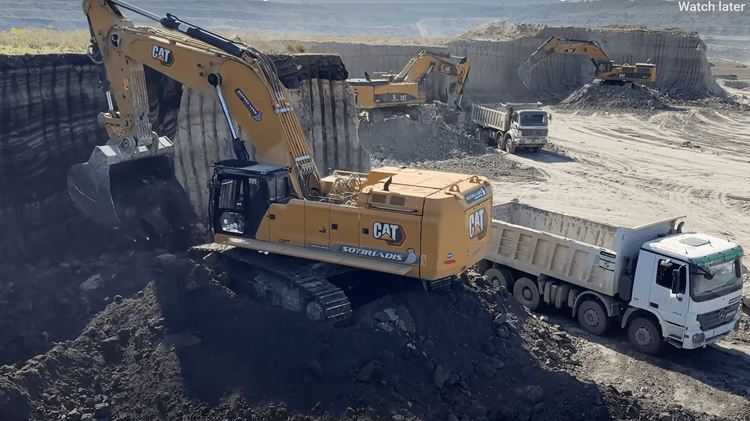
Loading dump trucks
Road and site construction
Demolition
Landscaping
Drainage and culvert installation
Forestry and land clearing
Quarrying and mining
Dredging
Material handling
The attachment determines much of what an excavator can accomplish. A hydraulic hammer can break concrete and rock, while a grapple can handle logs, debris, or other bulky materials.
John Deere lists applications including site development, earthmoving, foundation preparation, trenching, pipe laying, road construction, dredging, demolition, material handling, and forestry work.
Common Types of Excavators
%3Aformat(webp)&w=1920&q=75)
Excavators come in several configurations. The right type depends on the jobsite and the work being performed.
1. Mini Excavators
Mini excavators are compact machines designed for projects where space and transportation are major considerations.
They are commonly used for:
Residential construction
Landscaping
Utility trenching
Irrigation
Drainage
Small demolition projects
Their compact dimensions and relatively low operating weight make them easier to transport than larger excavators.
2. Compact and Small Excavators
Small excavators provide more digging and lifting capability than mini excavators while remaining practical for smaller construction sites.
They are useful for contractors who need additional reach and productivity without moving up to a full-size excavator.
3. Mid-Size Excavators
Mid-size excavators are popular general-purpose machines. They provide a balance of digging power, lifting capacity, transportation requirements, and operating cost.
They are commonly used for commercial construction, utilities, roadwork, site preparation, and general excavation.
4. Large Excavators
Large excavators are built for demanding applications where high production and digging power are priorities.
They are commonly found on major construction projects, quarries, mines, and large-scale earthmoving operations.
5. Wheeled Excavators
Wheeled excavators replace tracks with wheels, allowing them to travel more easily between work areas.
They can be especially useful for urban construction, roadwork, municipal projects, and jobs where the machine frequently operates on paved surfaces. Cat and Volvo both offer wheeled excavator configurations alongside tracked and compact machines.
6. Long-Reach Excavators
Long-reach excavators use extended booms and sticks to increase working reach.
They are commonly used for:
Deep excavation
Dredging
River and shoreline work
Slope work
Demolition
Environmental projects
Because the extended front changes the machine's operating characteristics, buyers should match the configuration to the required reach, digging depth, and lifting conditions.
7. Specialty Excavators
Special-purpose excavators include demolition machines, material handlers, forestry configurations, mining excavators, and other machines designed for specific industries.
These machines often use specialized booms, guarding, undercarriages, hydraulics, or attachments.
Excavator Parts and Attachments
%3Aformat(webp)&w=1920&q=75)
Understanding the main components helps when buying or operating an excavator.
Boom: The first major section of the excavator arm. It controls the working range and helps position the stick.
Stick: Connects the boom to the attachment and influences digging depth and reach.
Bucket: The most common attachment. Bucket designs vary for general digging, trenching, grading, rock, and other applications.
Hydraulic system: Provides the force needed to operate the boom, stick, bucket, swing system, and hydraulic attachments.
Cab: Contains the operator controls, displays, seat, and protective structure.
Undercarriage: Supports the upper structure and provides mobility through tracks or wheels.
Common excavator attachments include:
Digging buckets
Grading buckets
Hydraulic breakers
Augers
Grapples
Thumbs
Compactors
Rippers
Shears
Couplers
Brush cutters
Before purchasing an attachment, verify its weight, hydraulic flow requirements, pressure requirements, coupler compatibility, and suitability for the excavator.
7 Major Excavator Brands to Know
There are many excavator manufacturers worldwide. Rather than treating one brand as universally "best," buyers should compare individual models based on the work, local parts and service support, machine condition, operating costs, and purchase price.
Caterpillar


Caterpillar, commonly known as Cat, offers excavators across compact, small, medium, large, wheeled, demolition, and purpose-built categories.
Its current lineup includes models ranging from compact machines to the large 395, along with wheeled and specialty excavators. Cat also offers technologies for grading, payload, machine efficiency, and operator assistance.
Komatsu
Komatsu manufactures small, mid-size, large, surface-mining, and demolition excavators.
Its current lineup also includes machines equipped for Intelligent Machine Control, an integrated technology platform designed to support machine control and excavation efficiency.
John Deere
John Deere offers compact, mid-size, large, and wheeled excavators.
Its current excavator range includes machines from compact models through large excavators, with technologies such as grade management, virtual fencing, and overdig protection available on applicable models.
Volvo Construction Equipment
Volvo Construction Equipment offers compact, crawler, and wheeled excavators, as well as large crawler models.
Its lineup includes machines ranging from compact excavators to the large EC950E, giving contractors and fleet operators options across several size classes.
Hitachi Construction Machinery
Hitachi Construction Machinery produces compact, construction, and mining excavators.
Its current lineup includes compact hydraulic excavators, machines from 10 to under 100 metric tons for construction applications, and mining excavators at 100 metric tons and above.
Liebherr
Liebherr manufactures crawler excavators for general construction as well as specialized applications such as demolition, tunneling, and quarrying.
Its current crawler excavator range includes Generation 8 machines and models designed for demanding quarry applications.
JCB
JCB offers mini excavators, tracked excavators, and wheeled excavator solutions.
Its current machine range includes multiple tracked excavator classes, with models designed for construction, infrastructure, agricultural, and other applications.
Excavator Size Comparison
There is no single excavator size that works for every project. Use the following as a starting point rather than a strict classification because manufacturers use different size categories.
%3Aformat(webp)&w=1920&q=75)
How to Choose the Right Excavator
Before buying an excavator, start with the job rather than the brand.
Consider these factors:
1. Required digging depth: Choose a machine that can comfortably reach the required trench or excavation depth.
2. Operating weight: Make sure the machine can access the site and be transported economically.
3. Bucket capacity: Larger buckets can move more material per cycle, but the bucket must match the machine's hydraulic and lifting capabilities.
4. Ground conditions: Tracks generally provide stability and traction on rough or soft terrain, while wheeled machines offer greater mobility on suitable surfaces.
5. Attachment requirements: If you plan to use breakers, augers, grapples, compactors, or other hydraulic tools, verify auxiliary hydraulic specifications before buying.
6. Transport: Consider trailer requirements, machine dimensions, permits, loading procedures, and transportation costs.
7. Total cost of ownership: Purchase price is only one part of the equation. Factor in fuel, maintenance, repairs, attachments, transportation, financing, insurance, and expected resale value.
John Deere similarly recommends considering workspace, task requirements, terrain, digging depth, dump height, bucket requirements, and whether wheels or tracks are appropriate for the job.
Buying a Used Excavator
%3Aformat(webp)&w=1920&q=75)
A used excavator can provide substantial working capability without the acquisition cost of a new machine, but condition should be a major part of your buying decision.
Before purchasing, inspect:
Engine performance
Hydraulic pumps and cylinders
Hydraulic hoses
Swing bearing and swing motor
Boom and stick
Pins and bushings
Bucket and teeth
Track chains, rollers, and sprockets
Undercarriage
Tires on wheeled excavators
Cab and controls
Electrical systems
Service records
Hour meter and machine history
Don't evaluate a used excavator based on hours alone. A well-maintained machine with documented service can tell a very different story from a lower-hour machine that has been poorly maintained or heavily abused.
Frequently Asked Questions
What is an excavator used for?
Excavators are primarily used for digging, trenching, earthmoving, lifting, demolition, material handling, grading, and specialized applications such as dredging and forestry.
What are the main parts of an excavator?
The main components include the cab, upper structure, undercarriage, boom, stick, bucket, hydraulic system, engine, and swing system.
What are the main types of excavators?
Common types include mini excavators, compact excavators, mid-size excavators, large excavators, wheeled excavators, long-reach excavators, demolition excavators, and mining excavators.
Which excavator size should I buy?
Choose based on required digging depth, lifting capacity, workspace, ground conditions, transportation requirements, attachments, and expected workload rather than simply choosing the largest machine available.
Is a used excavator worth buying?
A used excavator can be a practical choice when its condition, maintenance history, operating hours, configuration, and purchase price align with the work you need it to perform.
Find the Right Used Excavator for Your Operation
The right excavator is the one that matches your job requirements, site conditions, attachments, budget, and expected utilization.
Whether you're looking for a compact excavator for residential work or a large crawler excavator for demanding earthmoving, comparing specifications and machine condition is essential.
Ready to put an excavator to work?
Browse available used excavators on Boom & Bucket to compare machines by make, model, year, hours, specifications, and price.
If you need financing for your next machine, explore your financing options before finalizing your purchase.
Have an excavator sitting idle in your fleet? Turn unused equipment into working capital by exploring your selling options with Boom & Bucket.


Samir Shah is the Co-Founder and Chief Product Officer of Boom & Bucket, where he leads the development of innovative solutions for buying and selling heavy equipment. With a background in engineering, product development, and business strategy, Samir has a track record of taking companies from concept to market success. Previously, he was the Head of Cat Digital Labs at Caterpillar, overseeing digital initiatives and product launches. He holds degrees from MIT Sloan and Carnegie Mellon, and he is passionate about tackling big challenges in underserved industries.