1 filtro aplicado

22 resultados encontrados

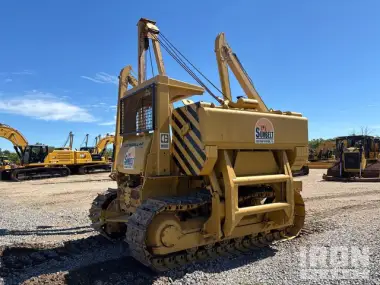
  • 1991 CATERPILLAR 572G

    590 Horas

    $100,000

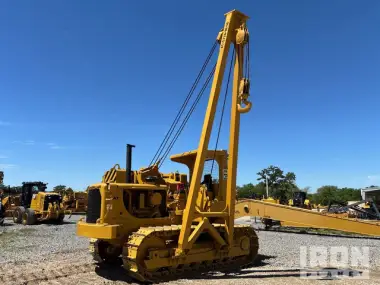
  • 1998 CATERPILLAR 572G

    10,568 Horas

    $100,000

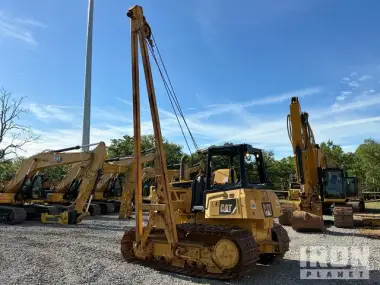
  • 1978 CATERPILLAR 572G

    2,409 Horas

    $55,000

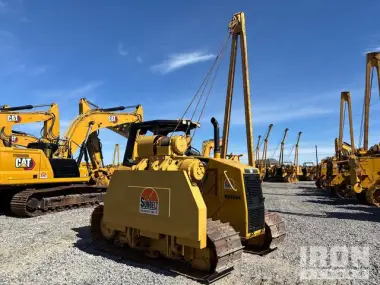
  • 1994 CATERPILLAR 572G

    4,738 Horas

    $100,000

  • 1991 CATERPILLAR 572G

    419 Horas

    $100,000

  • 1992 CATERPILLAR 572G

    1,830 Horas

    $100,000

  • 1993 CATERPILLAR 572G

    816 Horas

    $100,000

  • 1977 CATERPILLAR 572G

    1,251 Horas

    $100,000

  • 2013 CATERPILLAR PL61

    2,722 Horas

    $75,000

  • 1975 CATERPILLAR 572G

    807 Horas

    $100,000

  • 2014 CATERPILLAR PL61

    4,791 Horas

    $75,000

  • 1998 CATERPILLAR 561M

    1,455 Horas

    $30,000

  • 1978 CATERPILLAR 572G

    1,481 Horas

    $55,000

  • 1997 CATERPILLAR 561M

    2,151 Horas

    $30,000

  • 2014 CATERPILLAR PL61

    2,634 Horas

    $75,000

  • 2015 CATERPILLAR PL61

    2,407 Horas

    $75,000

  • 1997 CATERPILLAR 561M

    2,618 Horas

    $30,000

  • 1978 CATERPILLAR 572G

    2,003 Horas

    $55,000

  • 2000 CATERPILLAR 561M

    6,766 Horas

    $30,000

  • 2013 CATERPILLAR PL61

    1,873 Horas

    $75,000

  • 2007 CATERPILLAR 561N

    2,410 Horas

    $65,000

  • 2007 CATERPILLAR 561N

    2,975 Horas

    $80,000

Página 1 de 1

Obtén acceso a nuestras últimas ofertas

Resumen

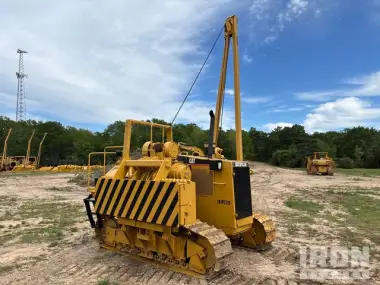
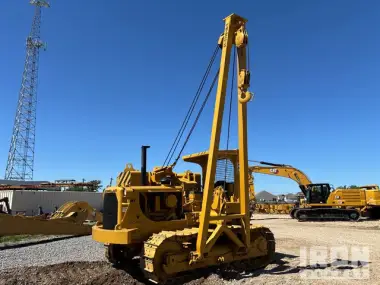
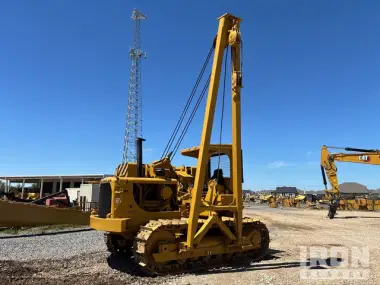
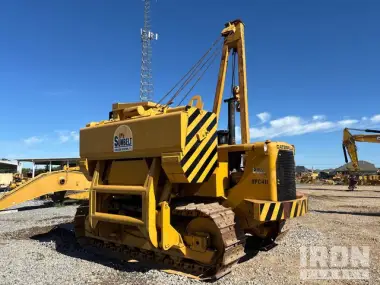
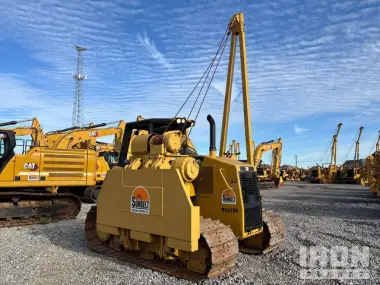
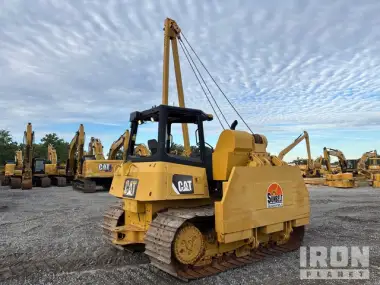
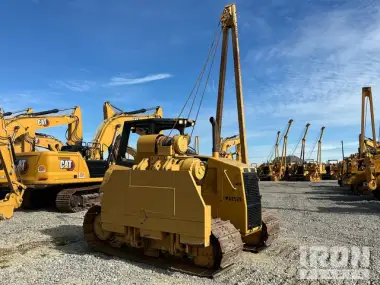
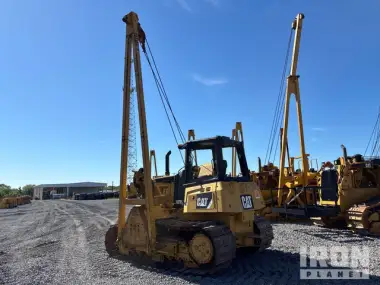
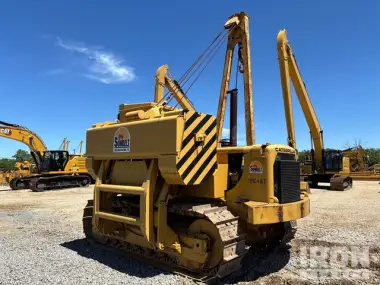
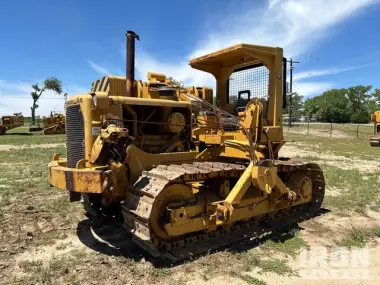
Un tiendetubos es una máquina pesada diseñada con patas de tractor para recorrer distancias cortas. Su pluma acoplable con cables se utiliza para recoger el diámetro de la tubería y bajarla lentamente a una zanja. Varios tiendetubos pueden trabajar conjuntamente para colocar tuberías pesadas. El gasoducto está ganando impulso en todo el mundo, incluso en el África subsahariana, lo que convierte a los tiendetubos en parte integrante del desarrollo de esta región.

Preguntas frecuentes

  • Used pipelayers cost anywhere from $50,000 to $500,000.

  • The top brands for Pipelayers are Caterpillar and Volvo.

  • Pipelayers provide the ability to quickly create pipelines by lifting and positioning assembled pipe and lowering it into trenches.

  • A fully hydraulic-controlled pipelayer will weigh 121,500 lbs.

  • Pipelayers can swing 360 degrees for optimum maneuverability. It's important for an operator to have a full view of their surroundings at all times. It's also essential that an operator knows how to inspect the machine, including; wire rope, blocks, winch and mainframe, hydraulic oil level, winch gear oil level, and boom stop switch.

  • When buying a used pipelayer, check the inspection report to get a full understanding of the machine. Check the undercarriage, trackpads, bolts, engine, hydraulics, and canopy.

  • The more hours a pipelayer logs, the more likely specific components will need to be replaced or repaired. The essential pieces are the undercarriage, engine, hydraulics, and boom.

  • The average pipelayer salary in the United States is around $38,820 per year.

  • You can learn to become a pipelayer operator through trade school, finding an experienced operator, or an apprenticeship program. View our full guide here: https://www.boomandbucket.com/blog/how-to-become-a-heavy-equipment-operator