The Most Popular International Tow Trucks
7 Lectura mínima
&w=3840&q=75)

agosto 7, 2024
International, a brand under Navistar, produces a range of commercial trucks, including tow trucks. These vehicles are known for their durability, versatility, and power, making them suitable for various towing needs. Models like the International MV and International HV series are commonly used for towing and recovery operations. They offer robust engines, advanced safety features, and customizable configurations to meet different requirements.
What Is an International Tow Truck?
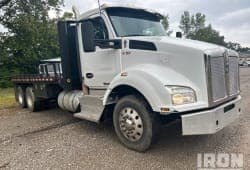
An International tow truck is a commercial truck built on an International chassis and equipped with specialized towing or recovery equipment for transporting and recovering vehicles.


How Do International Tow Trucks Work?
International tow trucks use hydraulic systems, winches, booms, wheel lifts, or rollback beds to lift, recover, and transport disabled vehicles.
How Much Can an International Tow Truck Tow?
Towing capacity depends on the truck's chassis, axle ratings, recovery equipment, configuration, and applicable weight limits. Always check the specific manufacturer's ratings.
What Types of International Tow Trucks Are Available?
Common International tow truck configurations include rollback tow trucks, wheel-lift trucks, wreckers, and heavy-duty recovery trucks.
What Should I Check When Buying a Used Tow Truck?
Check the engine, transmission, chassis, hydraulics, winch, boom, wheel lift, tires, frame, electrical system, towing equipment, and maintenance history before buying.
How We Evaluated International Tow Trucks
We evaluated International tow trucks based on towing capacity, GVWR, chassis configuration, engine performance, recovery equipment, application, condition, and total ownership cost. Specifications should be verified using current manufacturer and equipment documentation, while used trucks should be inspected for mileage, service history, hydraulic condition, and towing-equipment wear.
Current Models
International currently produces 4 core models.
Medium Duty
International currently makes 2 medium-duty trucks.
CV™ Series
%3Aformat(webp)&w=1920&q=75)
Engine Options: Not specified
Power: Up to 350 HP
Torque: Up to 700 lb-ft
MV™ Series
%3Aformat(webp)&w=1920&q=75)
Engine Options: Cummins B6.7, L9
Power: Up to 360 HP
Torque: Up to 1,150 lb-ft
GVWR: Up to 54.6K lbs
Severe Duty
International also currently makes 2 severe duty trucks.
HX™ Series
%3Aformat(webp)&w=1920&q=75)
Engine Options: International A26, S13, Cummins X15
Power: A26 and S13: Up to 515 HP, Cummins X15: Up to 605 HP
Torque: A26 and S13: Up to 1,850 lb-ft, Cummins X15: Up to 2,050 lb-ft
GVWR: Up to 74K lbs
HV™ Series
%3Aformat(webp)&w=1920&q=75)
Engine Options: International A26, Cummins B6.7, L9
Power: Up to 515 HP
Torque: Up to 1,850 lb-ft
GVWR: Up to 74K lbs
Past Models
International Durastar
Duty Classification: Medium-duty
Overview: The Durastar was a versatile medium-duty truck known for its reliability and adaptability in various towing applications. It featured multiple engine options and configurations that made it suitable for a wide range of towing tasks.
International WorkStar
Duty Classification: Heavy-duty
Overview: The WorkStar was built for heavy-duty and severe-duty applications, often used in construction and demanding towing and recovery operations. It had a robust frame and powerful engine options, making it capable of handling large and heavy loads.
International TerraStar
Duty Classification: Light-duty
Overview: The TerraStar was a compact, light-duty truck that was particularly effective for urban towing and recovery tasks. Its smaller size allowed for excellent maneuverability, and it was equipped with a reliable powertrain suitable for towing smaller vehicles and light equipment.
International Rollback Tow Trucks
Rollback tow trucks use a hydraulic flatbed that tilts and slides backward, allowing vehicles to be loaded onto the deck.
Best for: Cars, SUVs, light trucks, and vehicles requiring full support during transport.
International Wrecker Tow Trucks
Wreckers use equipment such as booms, winches, and wheel lifts to recover disabled or damaged vehicles.
Best for: Roadside recovery, accident recovery, and vehicles that cannot be driven.
International Heavy-Duty Tow Trucks
Heavy-duty models use reinforced chassis and high-capacity recovery equipment for larger vehicles.
They may be used for:
Buses
Semitrailers
Construction equipment
Commercial trucks
Heavy recovery operations
International Tow Truck Specifications
Important specifications include:
GVWR
GCWR
Engine horsepower
Torque
Wheelbase
Axle configuration
Towing equipment capacity
Gross vehicle weight
Hydraulic system specifications
Always verify specifications for the exact truck and towing configuration.
International Tow Truck Towing Capacity
Towing capacity depends on the truck's chassis, axle ratings, engine, drivetrain, towing equipment, trailer or vehicle being recovered, and applicable weight limits.
Don't determine capacity from engine horsepower alone.
International Tow Truck GVWR and Weight


GVWR (Gross Vehicle Weight Rating) is the maximum allowable operating weight of the truck, including the vehicle, equipment, occupants, fuel, and payload.
The truck's actual weight can vary considerably depending on the towing body and recovery equipment installed.
International Tow Truck Engine Options
Engine selection affects:
Horsepower
Torque
Fuel consumption
Towing performance
Maintenance requirements
For heavy-duty recovery, prioritize the complete powertrain and rated capacity, not horsepower alone.
International Tow Truck Cab and Chassis
The cab and chassis provide the foundation for the towing body.
When evaluating a truck, consider:
Cab configuration
Wheelbase
Axle configuration
Frame capacity
Suspension
PTO availability
Body compatibility
International Tow Truck for Heavy-Duty Towing
Heavy-duty recovery requires equipment capable of handling substantial loads.
Consider:
Chassis capacity → Axle ratings → Engine and transmission → Boom capacity → Winch capacity → Recovery configuration
Always remain within the manufacturer's and towing equipment's rated limits.
International Tow Truck for Roadside Recovery
For roadside operations, operators may prioritize:
Maneuverability
Wheel-lift capability
Winch capacity
Storage
Fuel efficiency
Operator visibility
A smaller configuration may be more practical for frequent urban recovery work.
International Tow Truck vs. Other Brands
%3Aformat(webp)&w=1920&q=75) The best truck is the one that matches your specific recovery requirements and budget.
The best truck is the one that matches your specific recovery requirements and budget.
Best International Tow Truck Models
Model selection should consider:
Towing application
Truck size
Capacity
Model year
Engine
Mileage
Recovery equipment
Maintenance history
For used trucks, compare the complete configuration, not just the model name.
How Much Does an International Tow Truck Cost?
Pricing varies based on:
Model year
Mileage
Condition
Chassis
Towing body
Recovery equipment
Engine
Configuration
Used International tow trucks can offer lower upfront costs, but buyers should consider maintenance, equipment condition, insurance, and operating costs.
New vs. Used International Tow Trucks
New
Latest features
Manufacturer warranty
New components
Lower initial maintenance risk
Used
Lower purchase price
Wider selection
Potentially faster availability
For used equipment, condition and service history can be more important than age alone.
How to Inspect a Used International Tow Truck
Inspect:
Engine
Transmission
Chassis
Frame
Tires
Brakes
Hydraulics
PTO
Winch
Boom
Wheel lift
Electrical system
Service records
Test the towing equipment where possible and look for leaks, excessive wear, cracks, or damaged components.
International Tow Truck Maintenance
Follow the manufacturer's maintenance schedule and regularly inspect:
Engine fluids
Transmission
Brakes
Hydraulic systems
Winch cables
Boom components
PTO
Wheel-lift components
Regular inspections can help identify wear before it causes costly downtime.
How to Choose the Right International Tow Truck
Start with the job, then choose the truck.
Vehicle type → Recovery method → Required capacity → Chassis → Towing equipment → Budget
Consider whether you'll primarily recover cars, light trucks, commercial vehicles, trailers, or heavy equipment.
Common International Tow Truck Buying Mistakes
Avoid:
Choosing based only on horsepower
Ignoring GVWR and axle ratings
Overlooking towing equipment condition
Failing to inspect hydraulics
Ignoring maintenance history
Forgetting operating costs
Buying more capacity than needed
Failing to verify equipment compatibility
Frequently Asked Questions
How does an International tow truck work?
An International tow truck uses a commercial truck chassis combined with hydraulic, winch, boom, rollback, or wheel-lift equipment to recover and transport vehicles.
What is the best International tow truck?
The best model depends on the vehicles you recover, required capacity, towing configuration, operating environment, and budget.
How much can an International tow truck tow?
Capacity varies by chassis, axle ratings, towing equipment, configuration, and load. Always verify the manufacturer's and towing body's rated capacity.
Are International tow trucks good for heavy-duty towing?
Certain International chassis can be configured for heavy-duty recovery, but suitability depends on the specific chassis and installed recovery equipment.
What should I check when buying a used International tow truck?
Inspect the engine, transmission, chassis, hydraulics, winch, boom, wheel lift, tires, frame, electrical systems, and maintenance records.
Final International Tow Truck Buying Guide
The right International tow truck depends on what you tow, how often you tow it, and the conditions in which you operate. Before buying, compare the truck's capacity, chassis, towing equipment, condition, maintenance history, and total operating costs.
Ready to Find the Right Tow Truck?
Define your recovery needs Compare configurations Inspect the truck Check capacity Compare total costs Put it to work. Explore available used commercial trucks and equipment at Boom & Bucket to find a configuration that matches your towing operation.


Caleb Woods is an experienced content specialist and an editor at Boom & Bucket, blending his journalism background with expertise in the heavy equipment industry. He delivers engaging, informative content to help professionals stay informed and make smarter decisions in the machinery market.