1 filtro aplicado

67 resultados encontrados

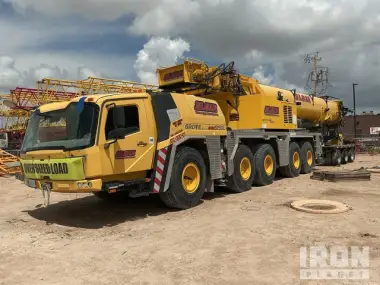
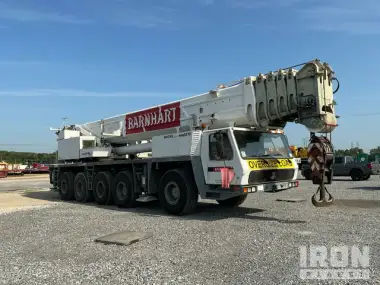
  • 2012 GMK5165

    $500,000

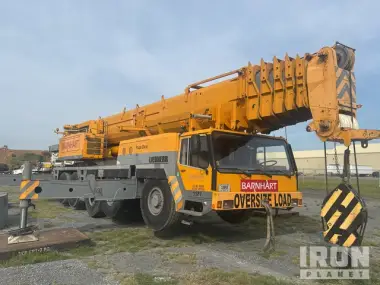
  • 2016 MANITOWOC 18000

    8,010 Horas

    $3,800,000

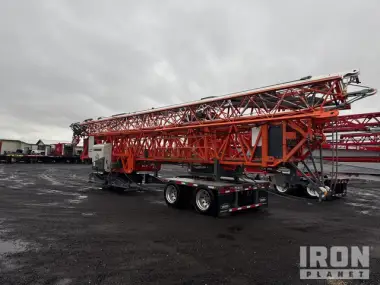
  • 2006 POTAIN IGOMA21

    340 Horas

    $125,000

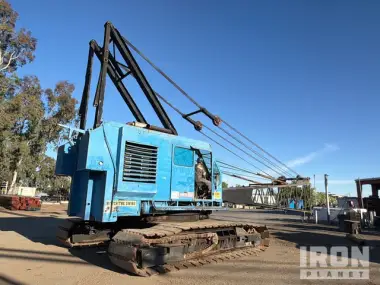
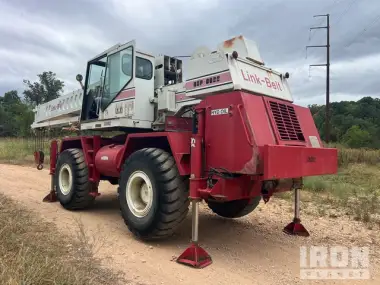
  • 1977 LINK-BELT LS-318

    7,509 Horas

    $50,000

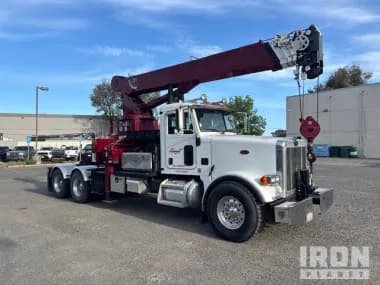
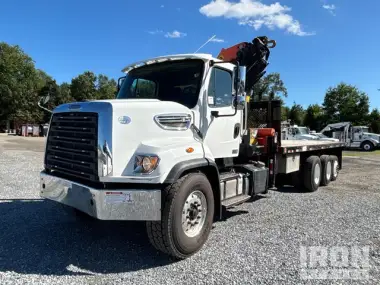
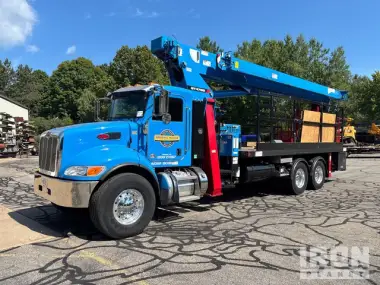
  • 2007 PETERBILT 357

    147,124 Millas

    $110,000

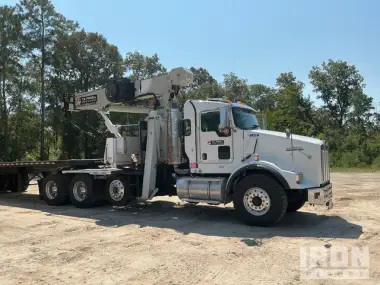
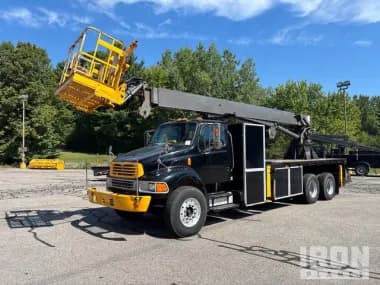
  • 2007 STERLING LT8500

    27,095 Millas

    $110,000

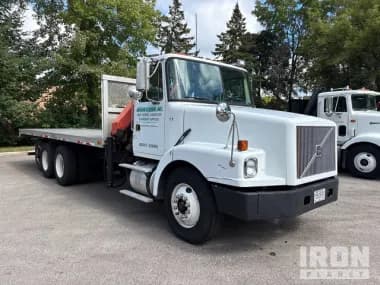
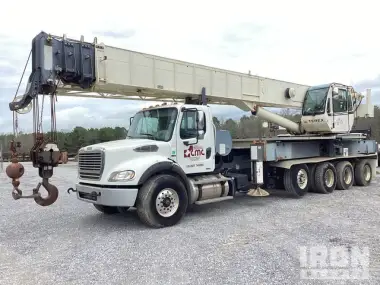
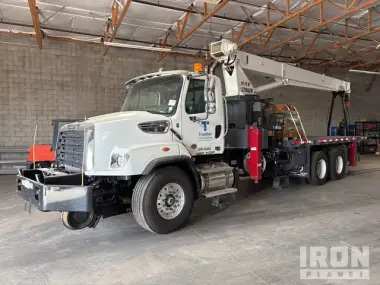
  • 2008 FREIGHTLINER M2 106

    38,254 Millas

    $59,000

  • 1981 AMERICAN 7260

    $80,000

  • 2003 MANITOWOC 222.222 Series B

    656 Horas

    $225,000

  • 2004 TEREX RT775

    2,870 Horas

    $65,000

  • 1999 TEREX/AMERICAN HC150

    1,574 Horas

    $125,000

  • 2017 POTAIN HUP32-27

    273 Horas

    $190,000

  • 2006 INTERNATIONAL NCC1411

    82,052 Millas

    $150,000

  • 2015 POTAIN MR160C

    8,500 Horas

    $247,000

  • 2002 TEREX RT 555

    $75,000

  • 2023 SISSCO SSC

    $75,000

  • 2010 TEREX HC165

    14,285 Horas

    $500,000

  • 2024 FM GRU 1589

    2 Horas

    $265,000

  • 2001 POTAIN HDT80

    3,598 Horas

    $144,000

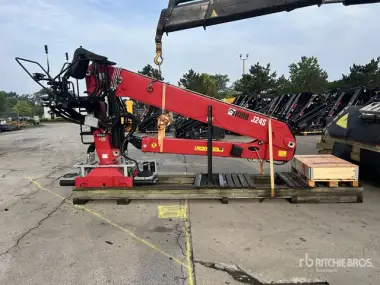
  • 2019 BRODERSON IC-80-3J

    4,962 Horas

    $53,500

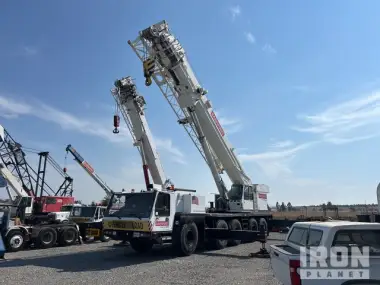
  • 2013 GROVE GMK5225

    100,321 Millas

    $550,000

  • 2015 PETERBILT 348

    199,322 Millas

    $55,000

  • 2011 GROVE RT890E

    15,683 Horas

    $230,000

  • 2014 MANTIS 9010

    7,050 Horas

    $170,000

  • 2004 STERLING L9500

    38,734 Millas

    $80,000

  • 2014 LIEBHERR LTC1045-3.1

    8,285 Horas

    $200,000

  • 2012 SANY SCC8100

    $150,000

  • 2016 GROVE GHC55

    2,860 Horas

    $315,000

  • 2023 POTAIN IGOT85A

    $435,000

  • 2020 POTAIN IGOT85A

    1,217 Horas

    $326,000

  • 2025 FM GRU 1140-US

    2 Horas

    $360,000

  • 2023 POTAIN MA21

    32 Horas

    $260,000

Página 1 de 3

Obtén acceso a nuestras últimas ofertas

Resumen

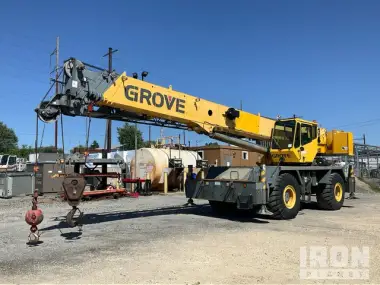
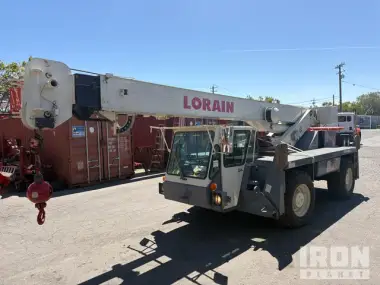
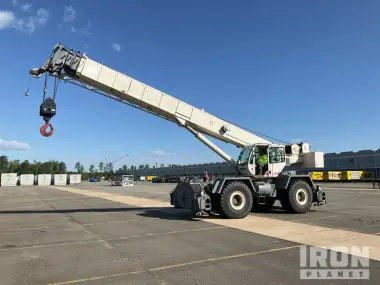
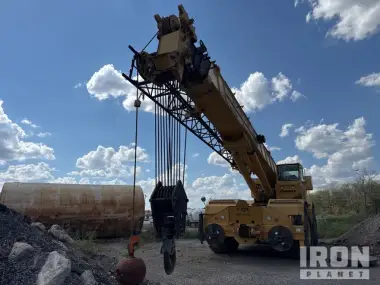
Las grúas se utilizan sobre todo para bajar y elevar grandes cargas a zonas de difícil acceso, como edificios altos, centros comerciales y tejados. Las grúas de construcción se fijan al suelo o se montan en un vehículo a medida. Las grúas fijas pueden llegar más alto y manejar cargas más pesadas, mientras que la ventaja de las grúas móviles es su maniobrabilidad.

Existen varios tipos de grúas móviles, que veremos a continuación:

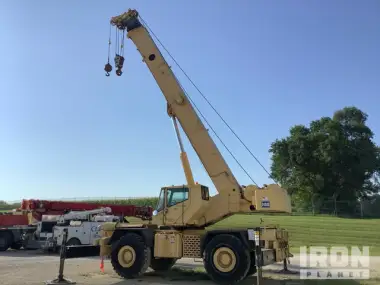
  • Grúas todoterreno:Como su nombre indica, pueden utilizarse en muchos tipos de terrenos gracias a la dirección de cangrejo y a la tracción a las cuatro ruedas.

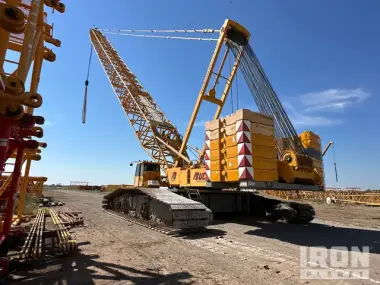
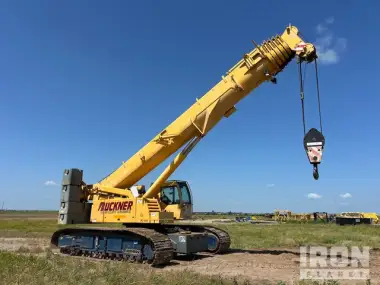
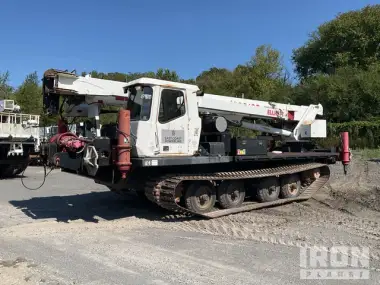
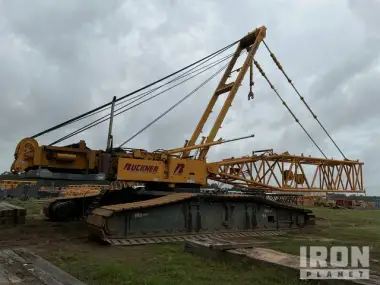
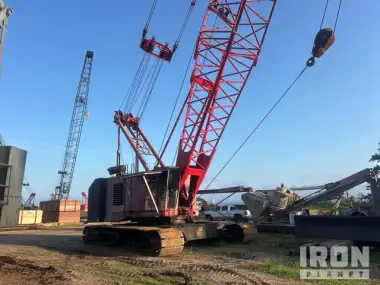
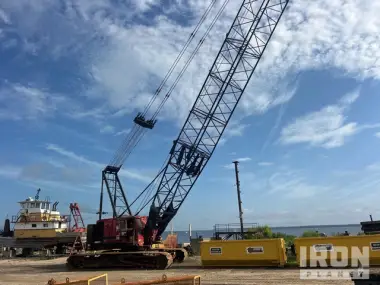
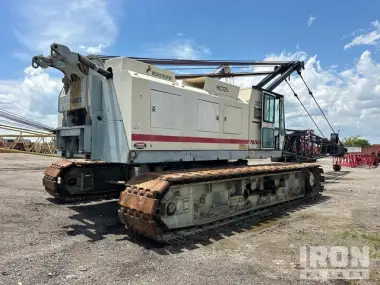
  • Grúas sobre orugas:Las grúas sobre orugas están montadas sobre un tren de rodaje fijado con un conjunto de orugas. Las grúas sobre orugas son ideales para trabajar en terrenos blandos.

  • Grúas todoterreno:Las grúas todoterreno son máquinas robustas dignas de utilizarse en terrenos accidentados. Los estabilizadores proporcionan estabilidad para las operaciones de elevación con pluma y polipasto hidráulicos.

  • Manipulador telescópicoGrúa móvil: El implemento más común en la industria de la construcción y los almacenes es una horquilla portapalés. Las manipuladoras telescópicas pueden tomar cargas paletizadas del suelo y colocarlas en lugares altos.

Las grúas móviles tienen muchas ventajas, como la flexibilidad, la movilidad, el ajuste y la resistencia para soportar cargas pesadas.

Preguntas frecuentes

  • Truck cranes can cost anywhere from $20,000 to $500,000. Fixed (Tower) Cranes can cost anywhere from $75,000 to $2,000,000.

  • Top mobile crane brands include Komatsu, Caterpillar, Hitachi, Liebherr, Altec, and Sany.

  • Mobile cranes are used for any activity that requires heavy materials to be lifted and placed. This includes construction, roofing, power transmission, HVAC, warehouse management, and wind energy, to name a few.

  • Cranes can weigh between 10 tons for mobile cranes and 300 tons for large fixed cranes.

  • Generally, mobile cranes are powered by one to two engines and a hydraulic powered boom as the primary lifting mechanism. The significant advantage of using mobile cranes is accessing narrow passages. Crane operators sit in a cab with a full view of the boom and a control panel.

  • When buying a used crane, you should consider the machine’s usage, maintenance history, age, repair needs, and DOT certification. Common items that need repair are hydraulics, operator displays, mechanical system, and transport vehicle.

  • Newer cranes are more expensive and in limited supply. When buying a new crane, it’s more likely to pass its first DOT inspection, meaning you can begin operation faster. After buying a used crane, it’s possible that certain parts won’t pass inspection. You can mitigate this risk by buying your used crane from a trusted seller that does complete inspections.

  • Crane operators can make anywhere from $33,000 to $87,000 depending on their experience, the industry they work in, and the type of crane their using (mobile vs. fixed).

  • Since 2018, OHSA has required all crane operators to be trained and certified through the National Commission for the Certification of Crane Operators. Certification includes a written and practical exam. You must be at least 18 years of age and comply NCCCO code of ethics and abuse policy. Check out the full guide here: https://www.boomandbucket.com/blog/how-to-become-a-heavy-equipment-operator