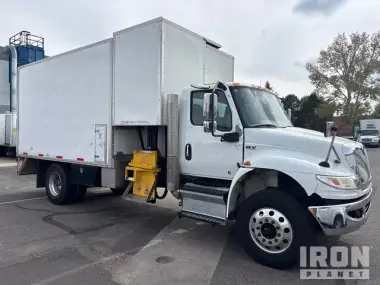
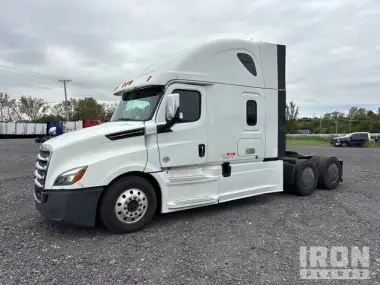
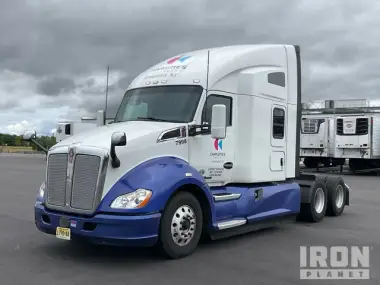
1 filtro aplicado

179 resultados encontrados

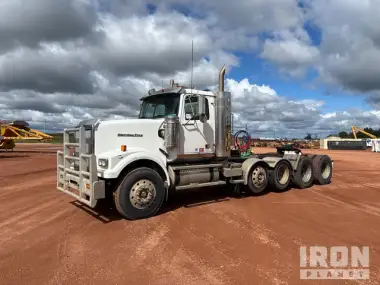
  • 2023 VOLVO  VNL64T760

    531,191 Millas

    $39,000

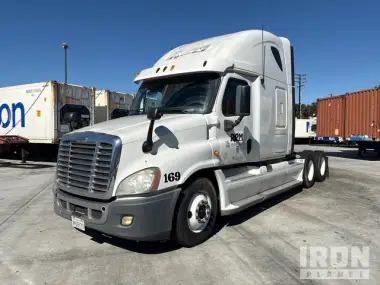
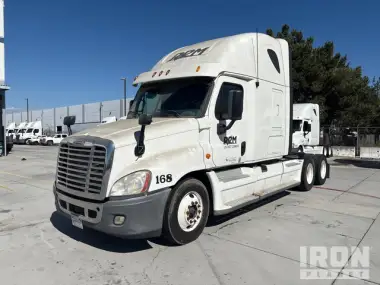
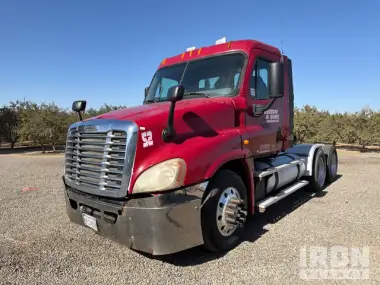
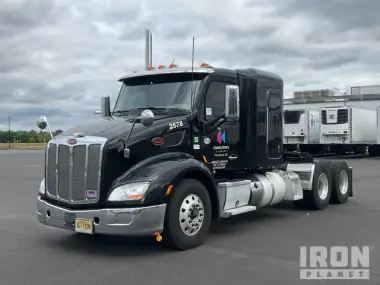
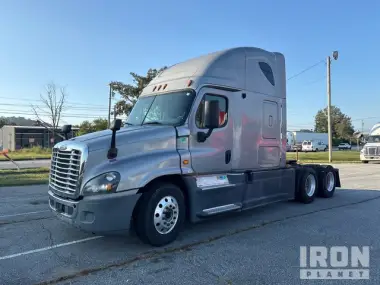
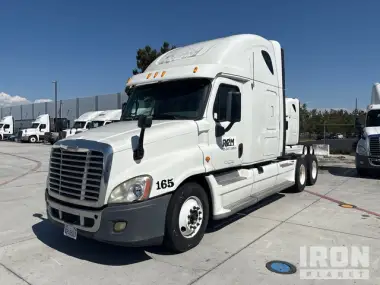
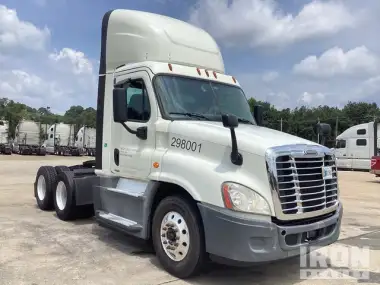
  • 2016 FREIGHTLINER Cascadia 125

    1.02m Millas

    $10,000

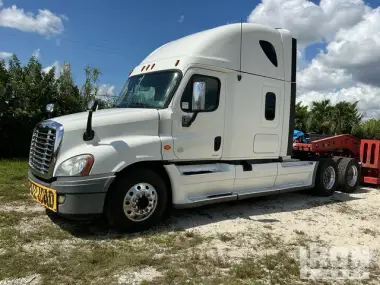
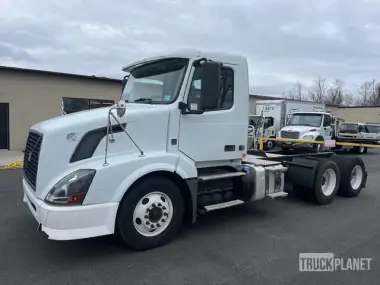
  • 2007 VOLVO VNM4Z

    125,759 Millas

    $14,000

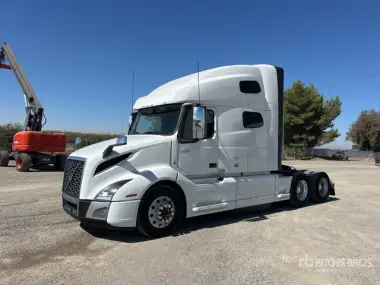
  • 2023 VOLVO VNL64T760

    502,763 Millas

    $39,000

  • 2023 VOLVO  VNL64T760

    529,189 Millas

    $39,000

  • 2023 VOLVO VNL760

    485,809 Millas

    $39,000

  • 2019 INTERNATIONAL LT625

    457,683 Millas

    $26,000

    $14,500

  • 2023 VOLVO VNL64T760

    601,926 Millas

    $39,000

  • 2017 FREIGHTLINER M2 106

    333,017 Millas

    $32,000

  • 2007 MACK CV713

    339,849 Millas

    $27,000

  • 2019 FREIGHTLINER 122SD

    429,650 Millas

    $45,000

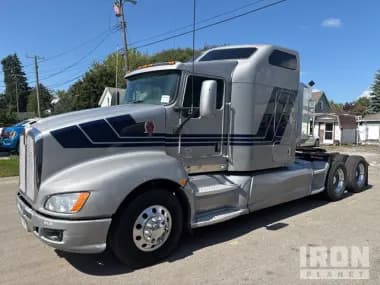
  • 2013 MACK CXU613

    350,746 Millas

    $35,000

  • 2013 INTERNATIONAL Prostar+ 113

    395,402 Millas

    $12,000

  • 2019 MACK AN64T

    484,679 Millas

    $27,500

  • 1988 CATERPILLAR 773B

    38,510 Horas

    $40,000

  • 2015 VOLVO VNL

    916,709 Millas

    $14,999

  • 1985 CATERPILLAR 773B

    $40,000

  • 1987 CATERPILLAR 773B

    34,242 Horas

    $40,000

  • 1987 CATERPILLAR 773B

    34,274 Horas

    $40,000

  • 1981 CATERPILLAR 773B

    27,190 Horas

    $40,000

  • 2022 ROSCO NB25

    40 Horas

    $19,000

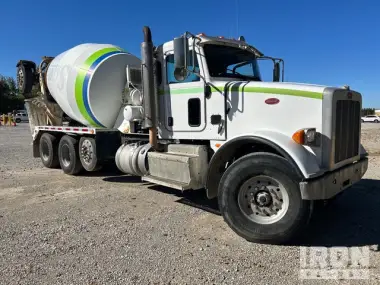
  • 2009 PETERBILT 388

    795,172 Millas

    $35,000

  • 2012 VOLVO VNL

    803,990 Millas

    $12,000

  • 1996 INTERNATIONAL 9200

    23,874 Millas

    $25,000

    $12,500

  • 1998 PETERBILT 379

    1.66m Millas

    $35,000

  • 2012 MACK CXU613

    515,250 Millas

    $15,000

  • 2023 VOLVO VNL64T760

    577,451 Millas

    $49,000

  • 1980 CATERPILLAR 773B

    11,246 Horas

    $12,000

  • 2023 VOLVO VNL760

    494,834 Millas

    $39,000

  • 2023 VOLVO  VNL860

    613,738 Millas

    $39,000

  • 2019 VOLVO VNR

    215,110 Millas

    $35,000

  • 2007 MACK CHN613

    424,557 Millas

    $18,000

Página 1 de 6

Obtén acceso a nuestras últimas ofertas

Resumen

Los camiones especiales son camiones normales modificados para adaptarse a usos específicos como vehículos de emergencia, remolques, camiones de comida y construcción. Los camiones especiales son rígidos o articulados, lo que significa que la cabina y la parte trasera están conectadas por un punto articulado directamente detrás de la cabina. La parte trasera puede equiparse con un volquete, un sistema específico del sector, depósitos de agua o simplemente una cama.

Preguntas frecuentes

  • Used specialty trucks vary from $5,000 to $200,000, depending on model, age, hours, and maintenance history.

  • The top specialty truck brands include Ford, Navistar, Caterpillar, and Bell. Hundreds of manufacturers will modify normal work trucks to your specific needs.

  • Specialty trucks are used in various industries, including construction, home service, government, and industrial. They are common in many industries because the customization options are limitless, like water tanks and air compressors.

  • Smaller specialty trucks weigh between 5,700-6,700 lbs. Larger specialty trucks from Caterpillar, Bell, and Kenworth can weigh up to 75,000 lbs.

  • Operators must know how to drive a specialty truck safely. To safely operate a service truck, you must embrace new technology like automatic emergency braking, forward collision warnings, speed limiters, and rear/blindspot cameras. Since service trucks will operate close to civilian vehicles, they must abide by common traffic laws.

    Preventative maintenance is important for service trucks as many operators will drive 10,000 + miles/year. Changing fluids, changing batteries, checking tire wear, inspecting the brakes, and checking the oil are a few examples of preventative maintenance that save operators time and money in the future.

  • When buying a specialty truck, you should first make sure it has the features you're looking for like a hydraulic boom, water system, outriggers, or PTO system. Once you find a specialty truck that fits those needs, look at its maintenance history including the engine, hydraulics, vacuum function, and exhaust.

  • Newer specialty trucks will have modern safety features like speed limiters, rear/blindspot cameras, and forward-collision warnings. A good rule of thumb is, "If you drive more than 25,000 miles a year and will need a truck for at least five years, buy a new specialty truck instead of used.

  • Depending on their industry and position, specialty truck operators make anywhere from $30,000 to $100,000/year. Many service truck owner-operators make close to six figures because they own their own business in HVAC and water damage restoration industries.

  • Specialty trucks are used for various industries, including air duct cleaning, HVAC, and water damage restoration. Check the regulations for specific sectors to find out the qualifications to get started.